
Aloha Camp > Activities > Koko Crater Botanical Garden and kite flying
Koko Crater Botanical Garden and kite flying
Koko Crater Botanical Garden
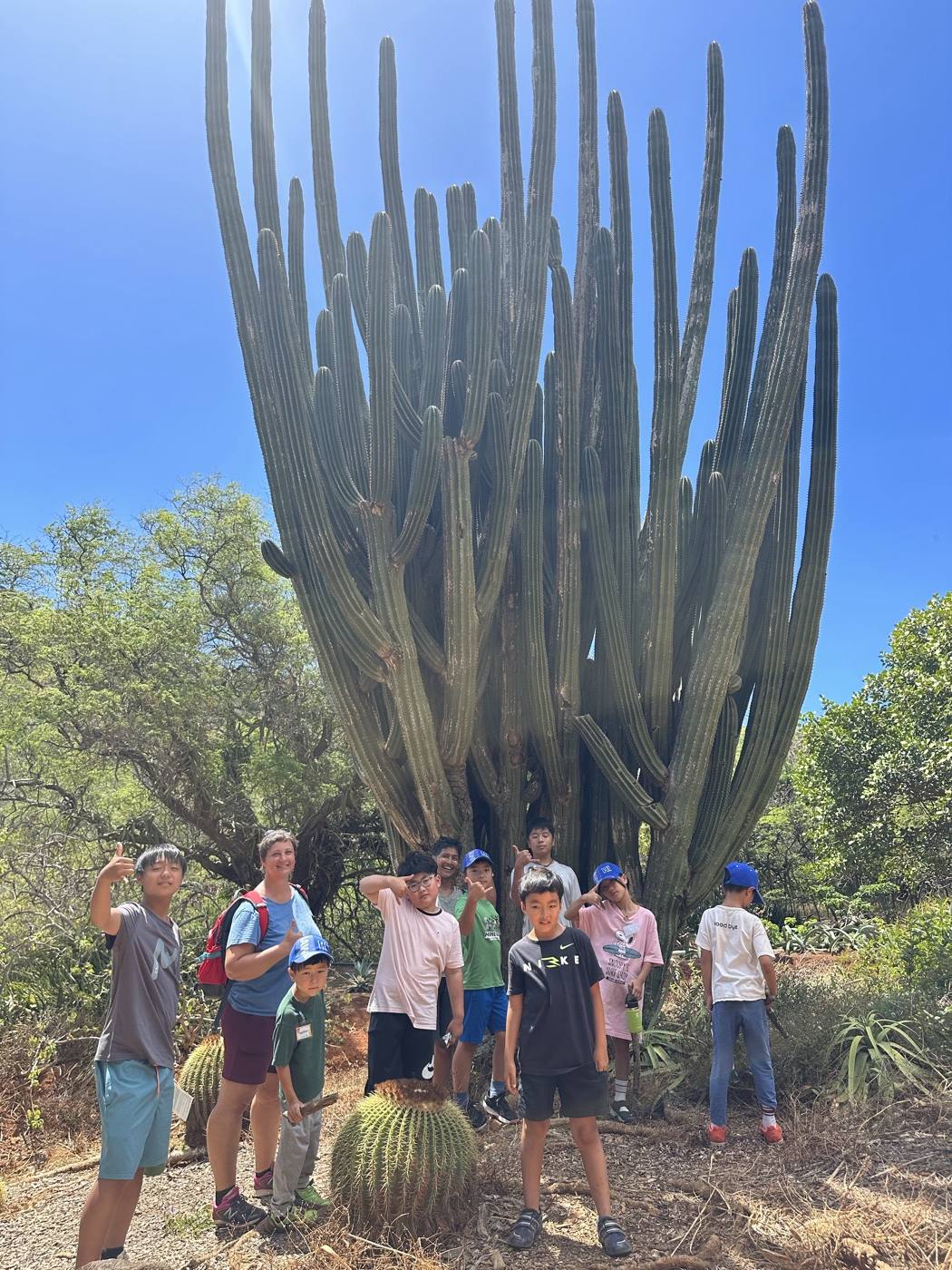
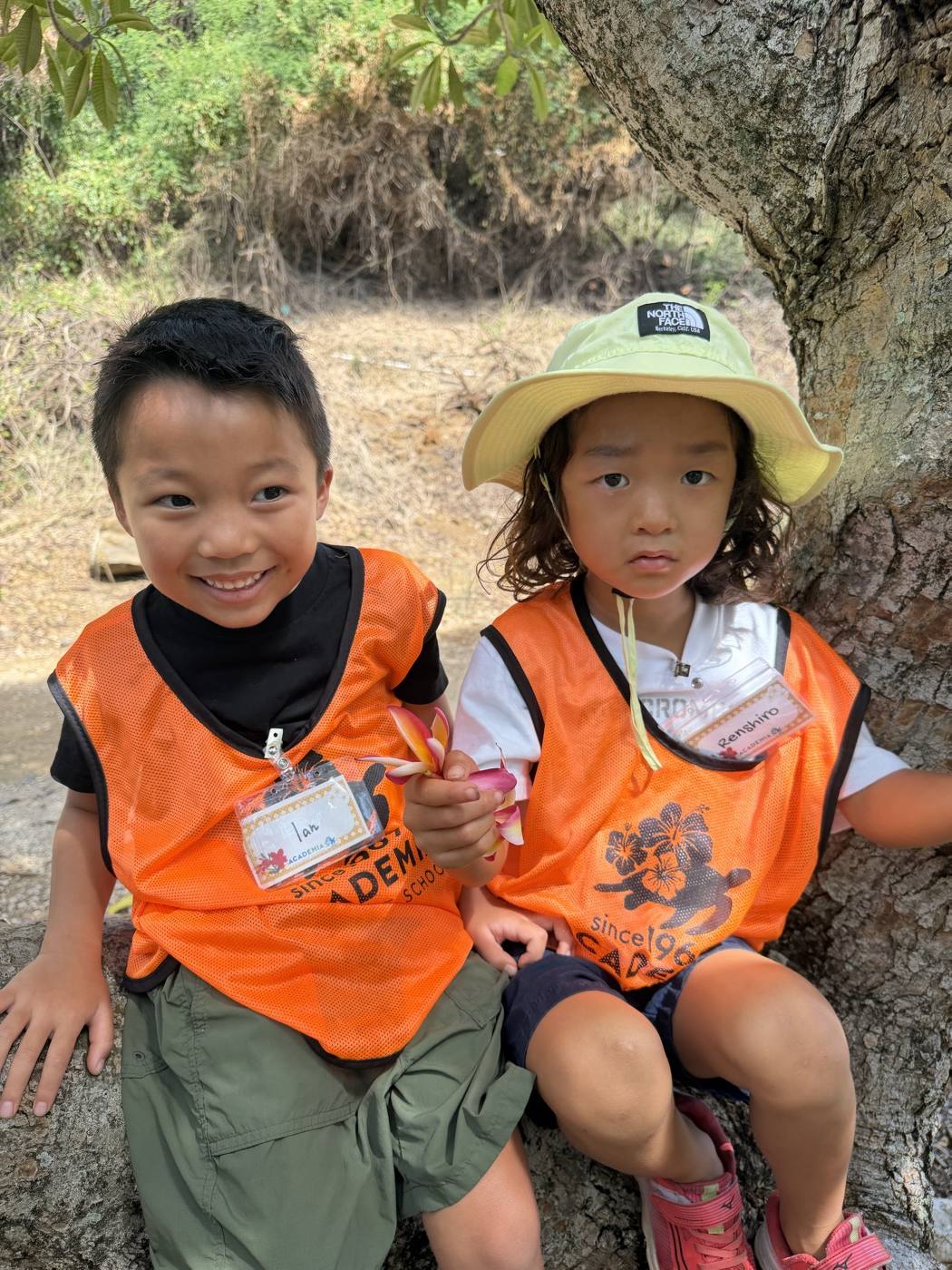
A visit to the botanical garden inside the volcanic crater of Koko Head, on the east side of Oʻahu. Towering cacti, perfectly round cacti, plumeria trees. We walk through a forest of dryland plants, and in the afternoon we fly kites we made ourselves.
At a glance
- How to join
- If your child is attending camp that day, they go with the group.No reservation needed. There is no extra charge.
- Ages
- Kids Program (ages 6–12) and Junior Program (ages 13–18)On morning field trips, Kids and Junior go together.
- Location
- Koko Crater Botanical Garden (Hawaiʻi Kai, inside Koko Head)A City and County of Honolulu botanical garden featuring dryland plants and plumeria. We travel there from the school by bus.
- Time
- Morning (leave school → botanical garden → lunch)In the afternoon, Kids do one more activity at another spot and have English time in the classroom; Junior students have English class in the classroom.
- What to bring
- Hat, sunscreen, water bottle, comfortable walking shoesIt’s a hot place with little shade. Please bring plenty of water. We will send details in advance.
- Rainy days
- This is an outdoor activity.Destinations and activities may change depending on the weather.
A day like this
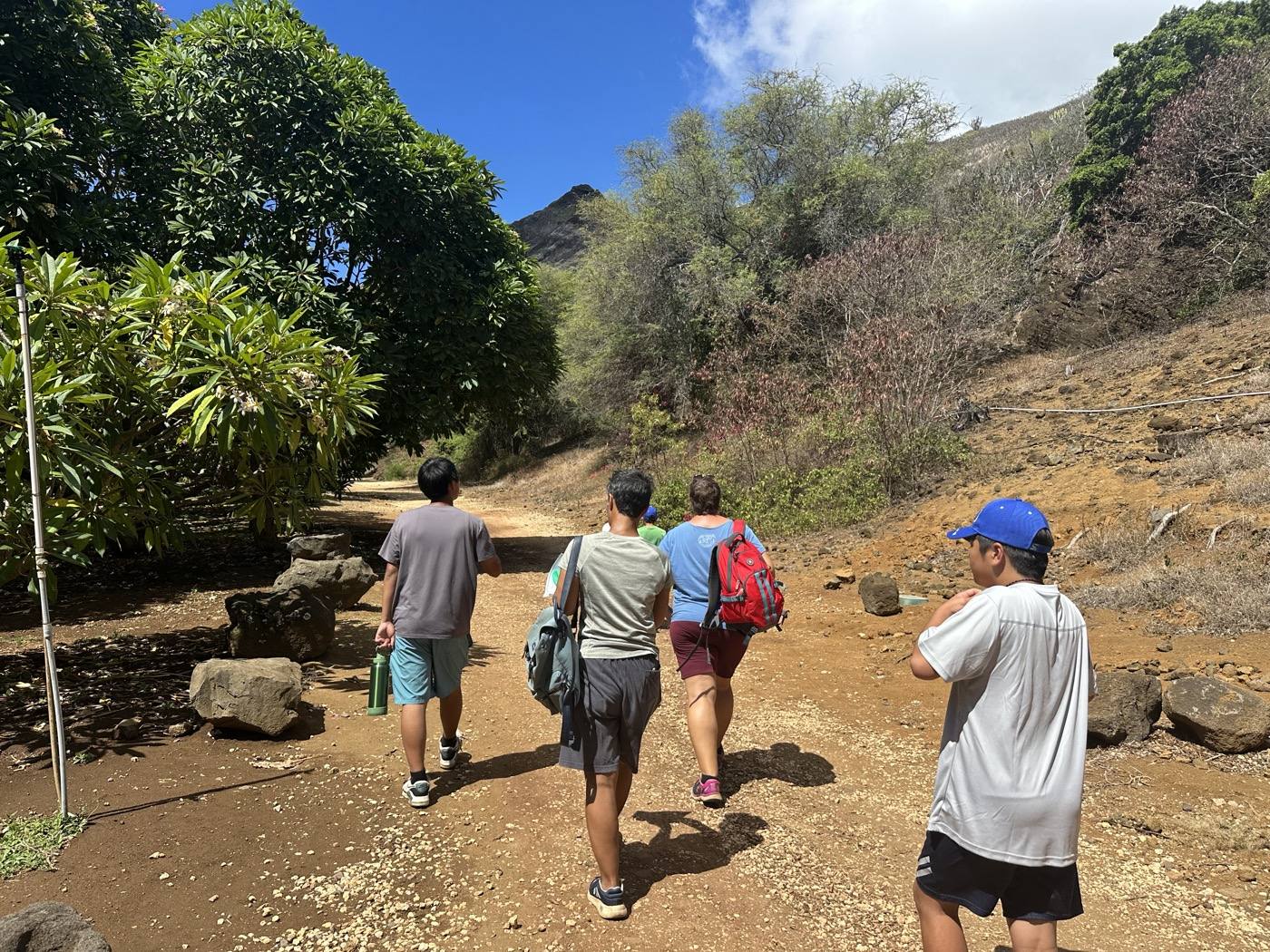
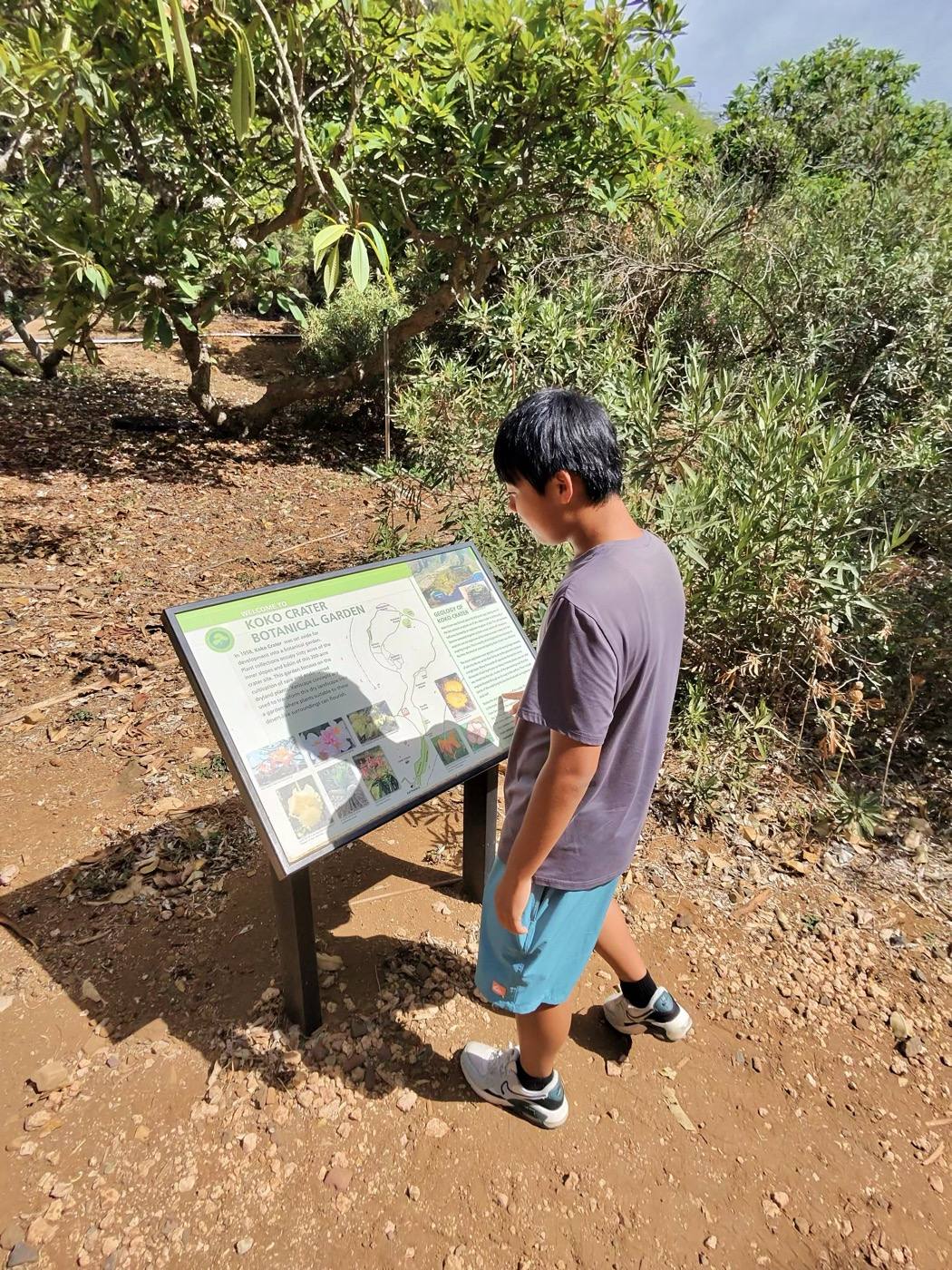
Along a red-dirt path to the cactus forest
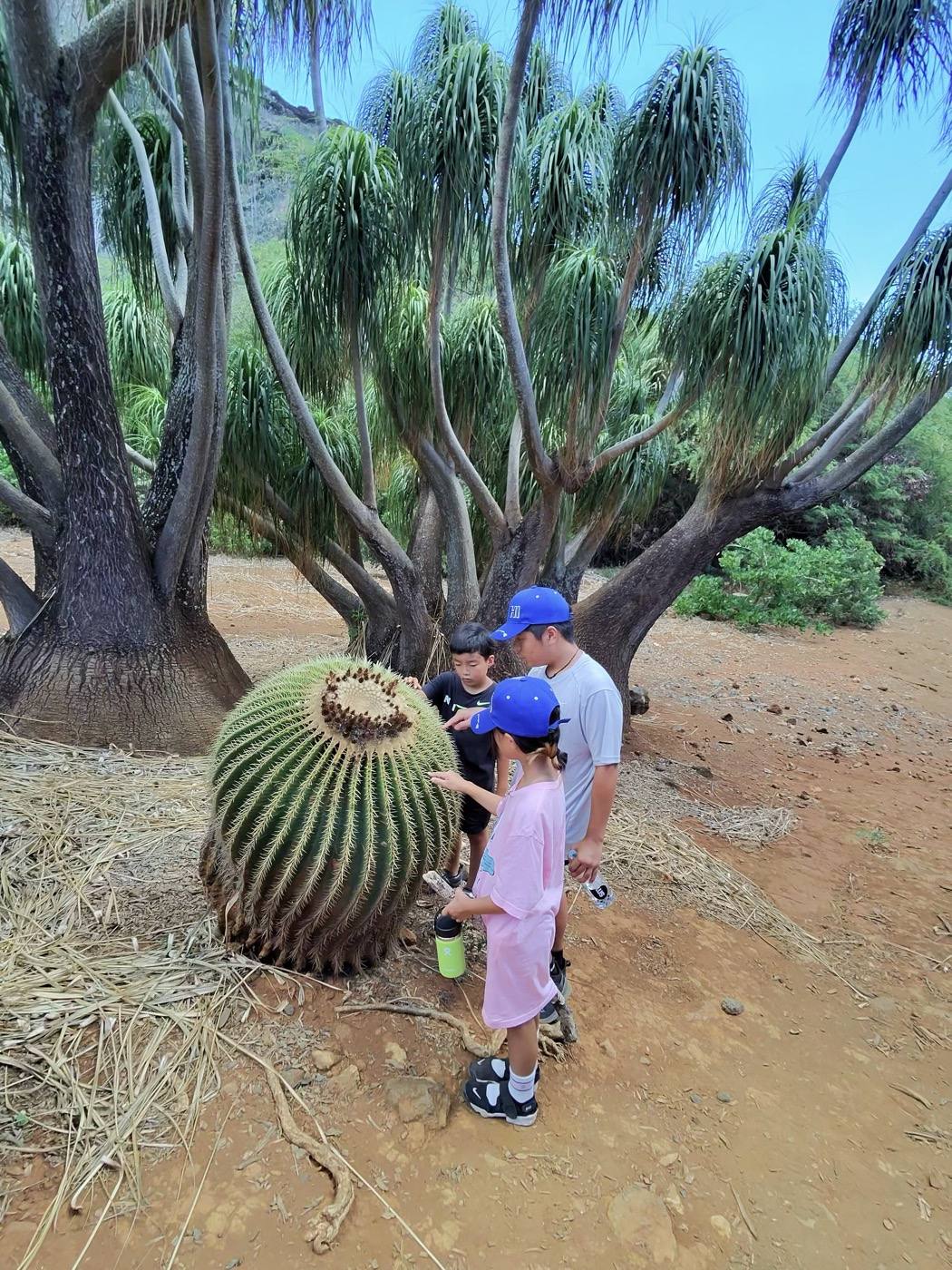
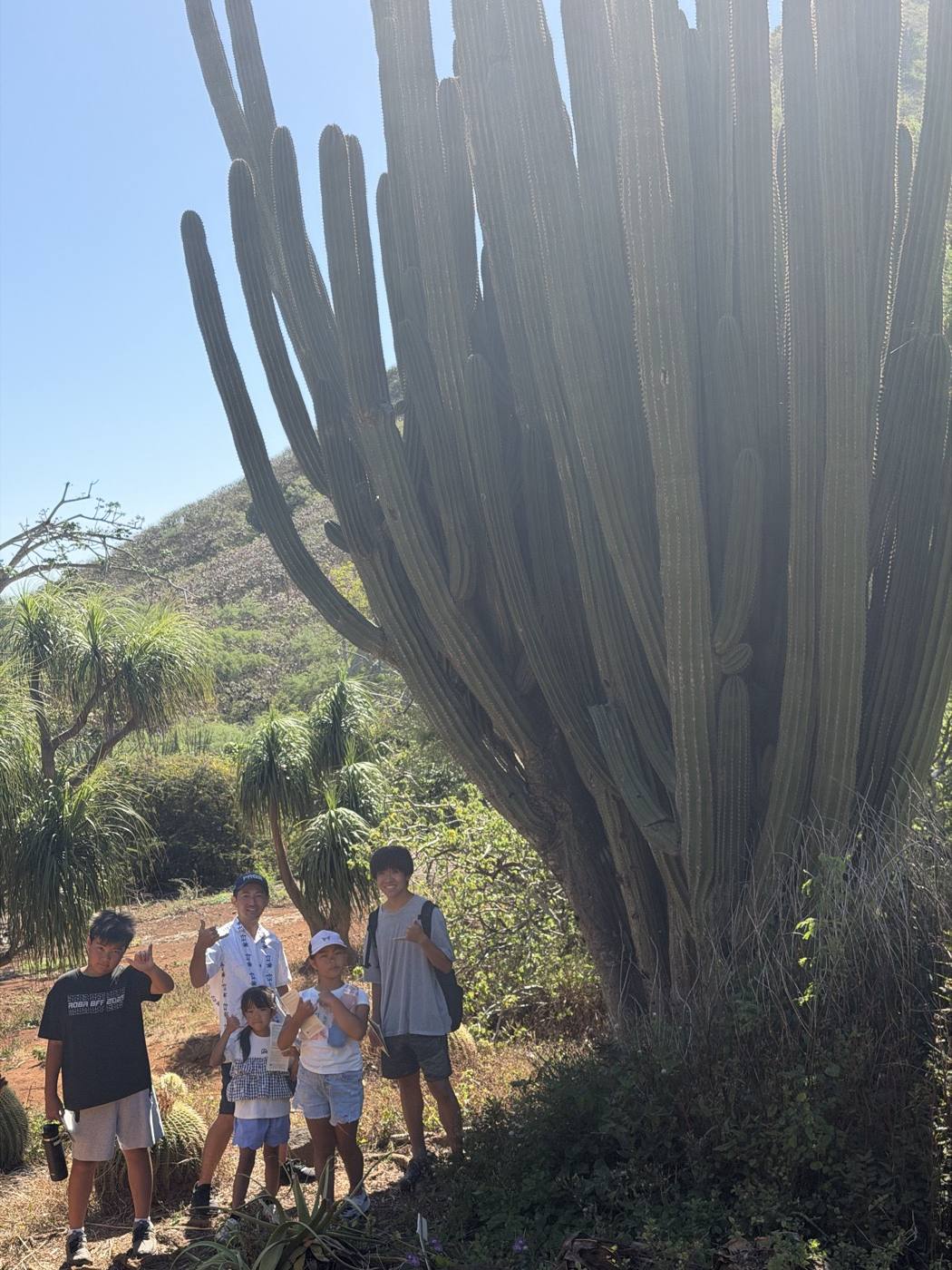
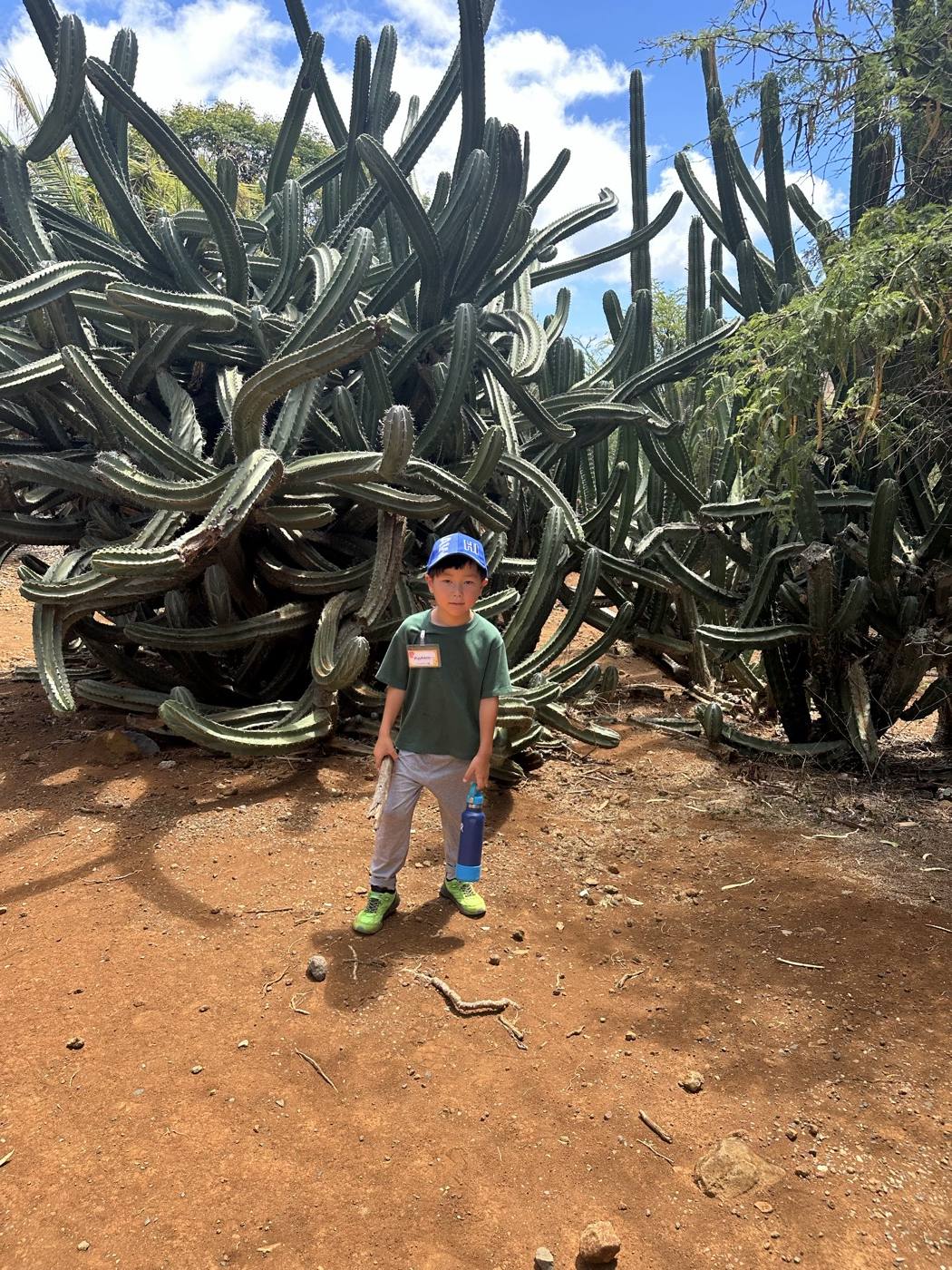
Inside the crater, a red-dirt path is lined on both sides with plants in shapes you’ve never seen. We walk slowly, reading the information signs along the way.
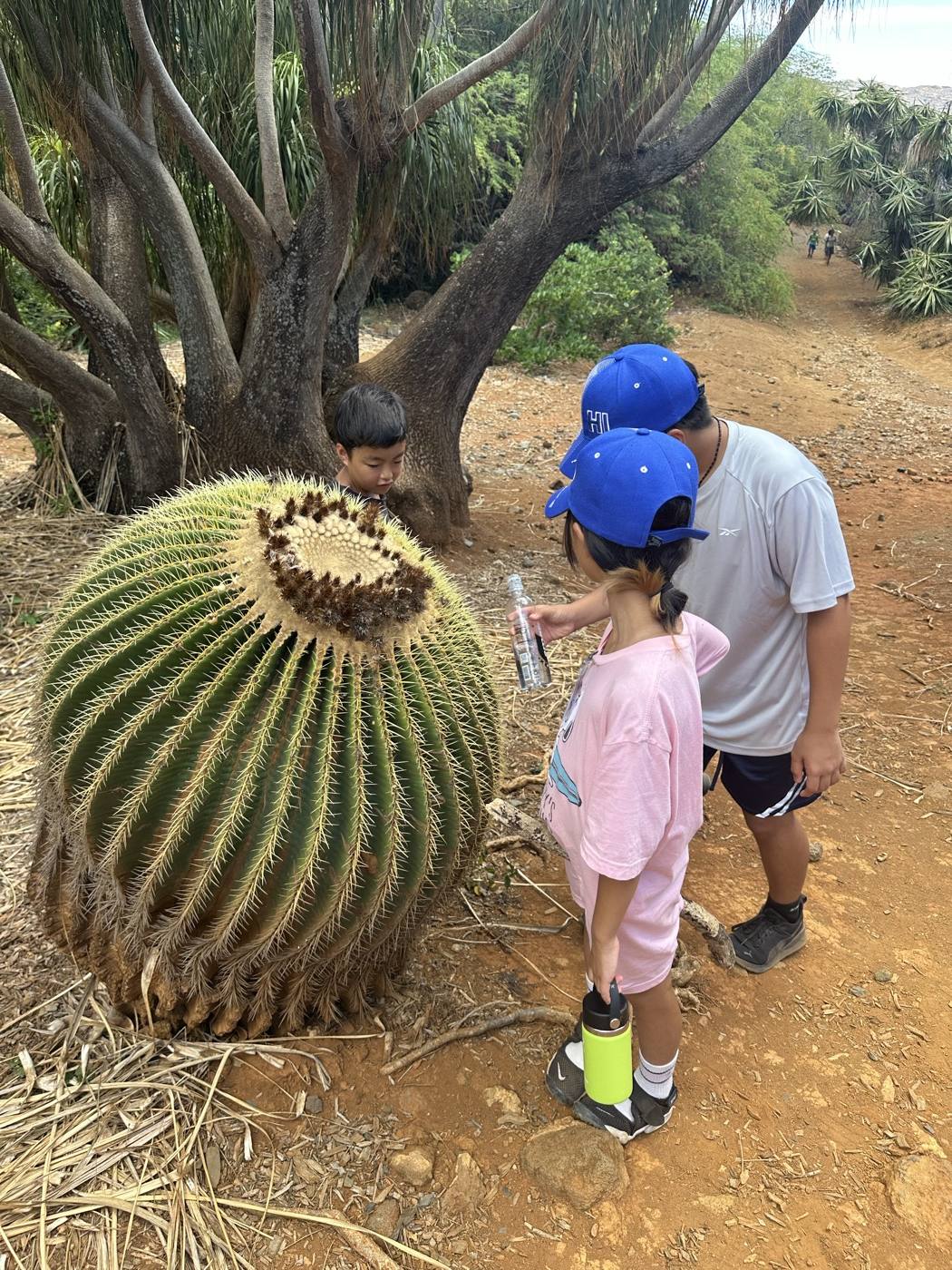
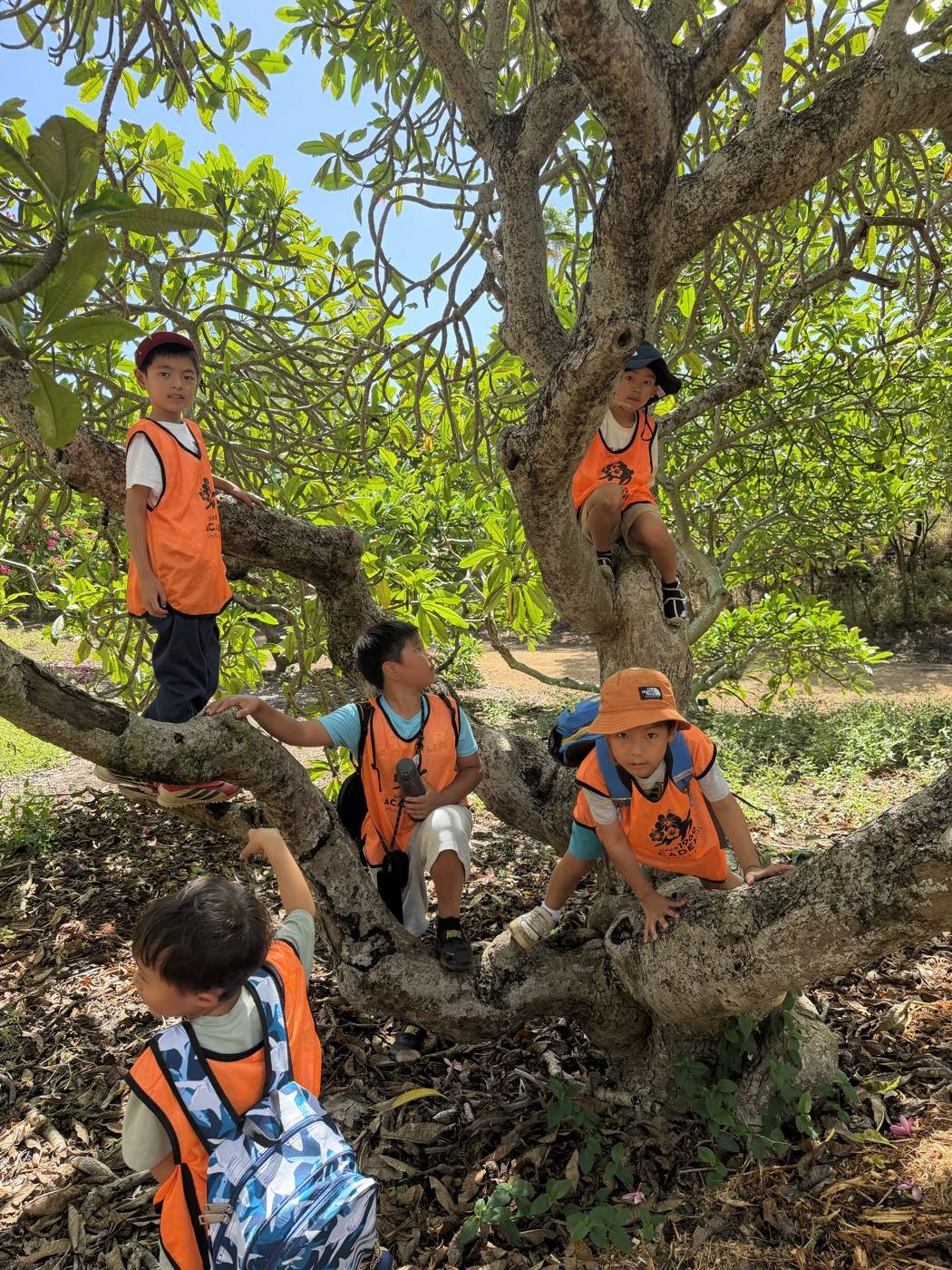
Measuring up against the cacti
Standing next to a perfectly round cactus to compare heights. Climbing a big tree, or getting close while being careful not to touch the spines. “It's taller than me!”
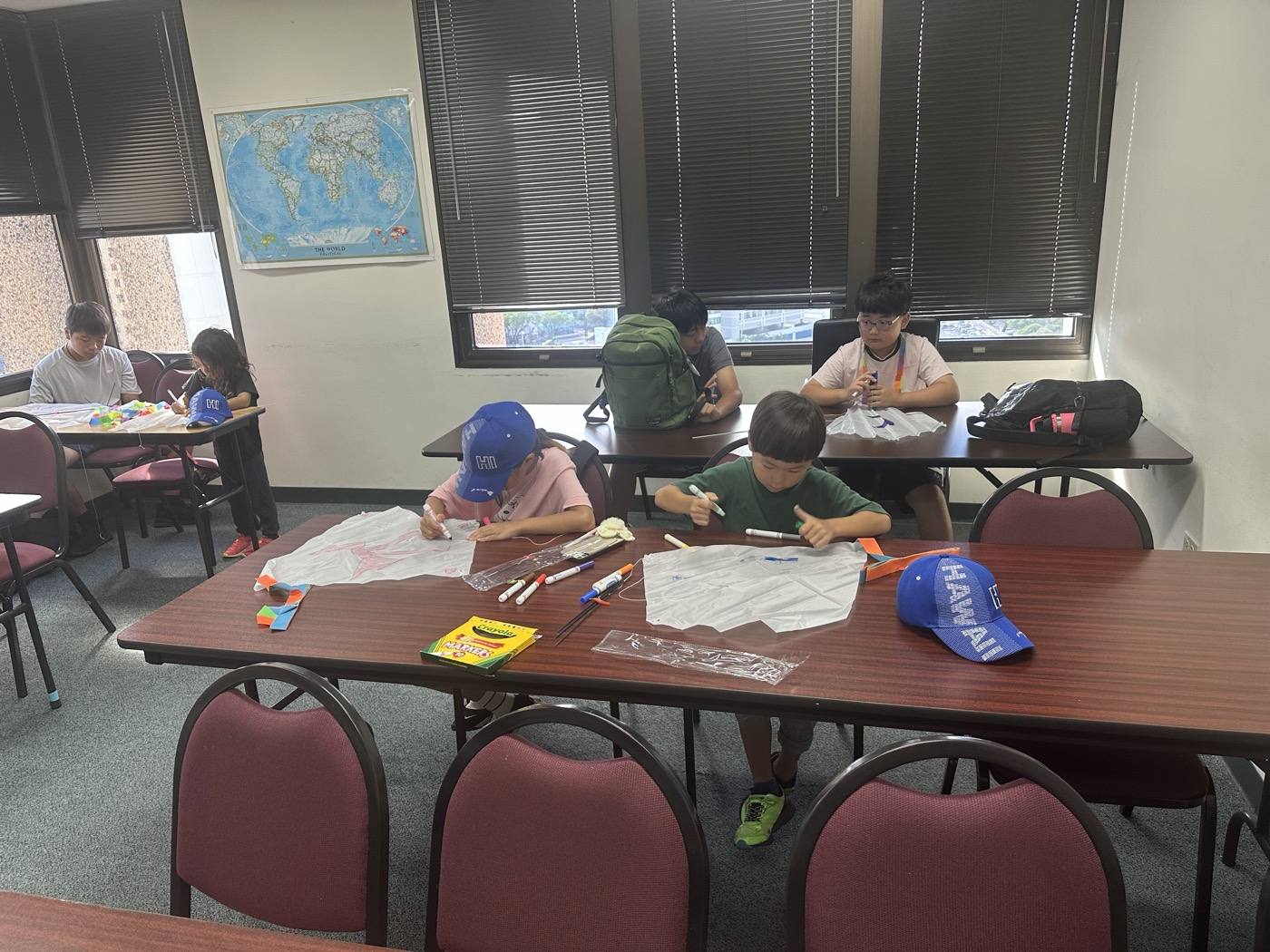
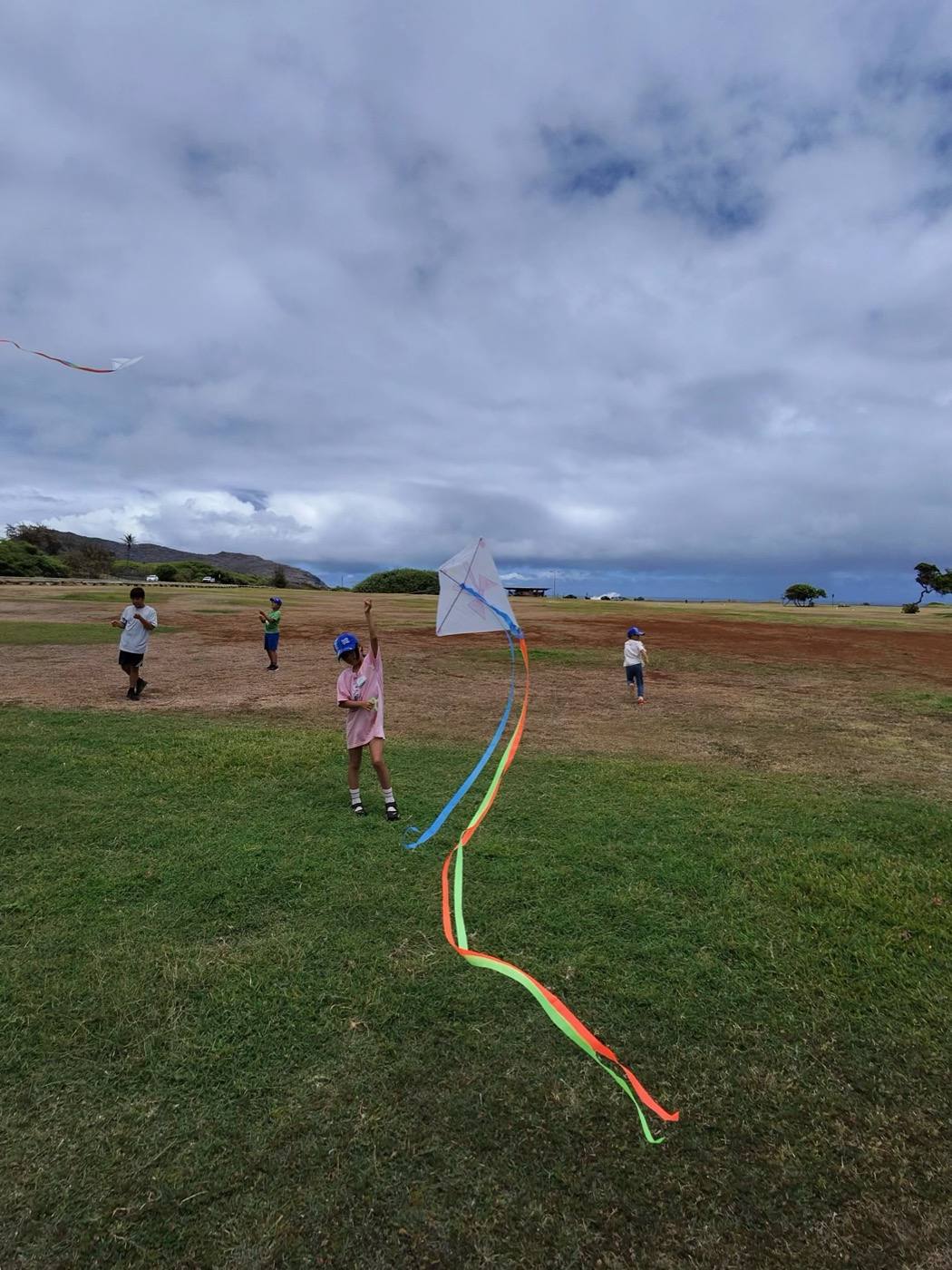
Flying a kite you made yourself
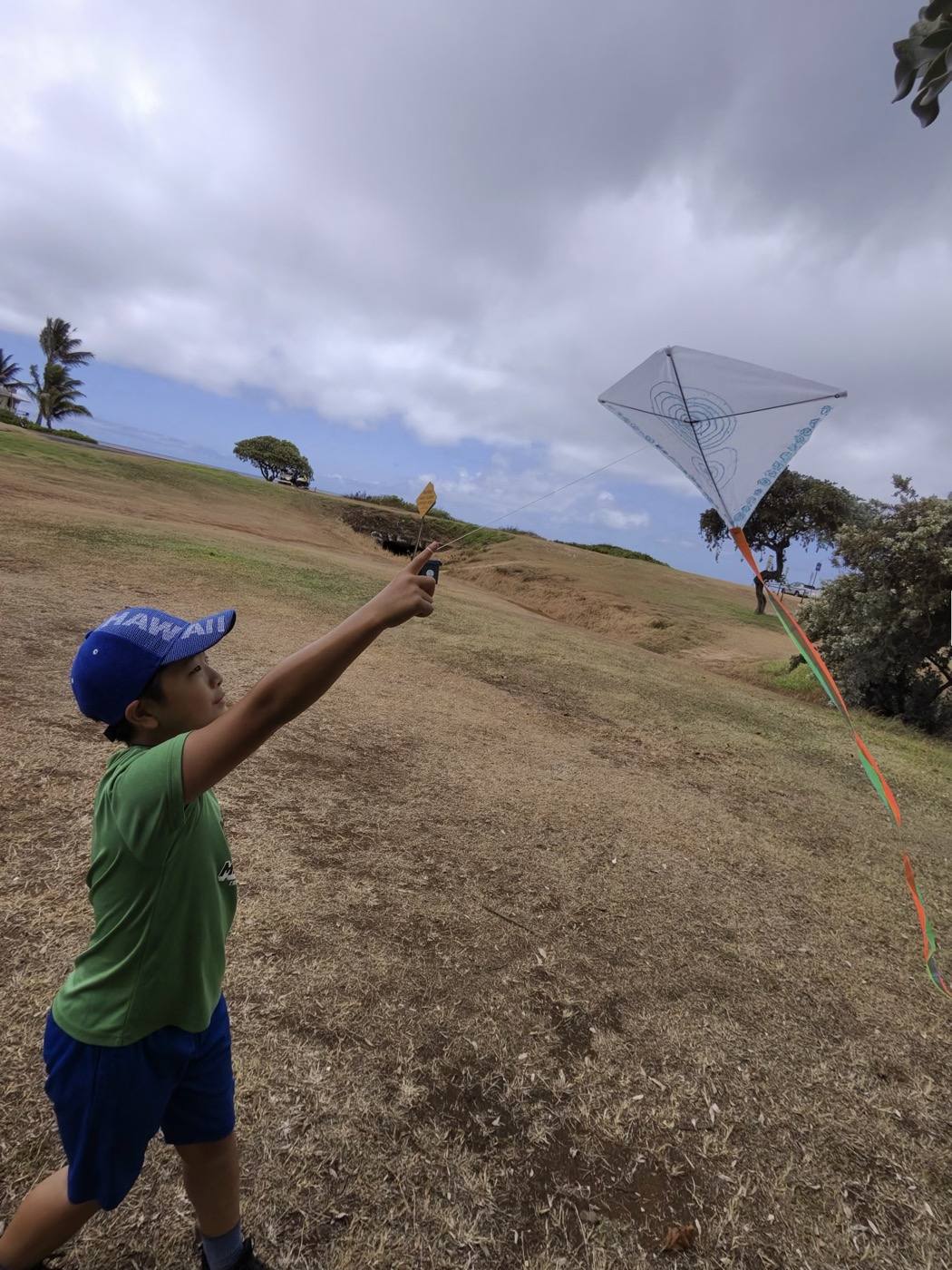
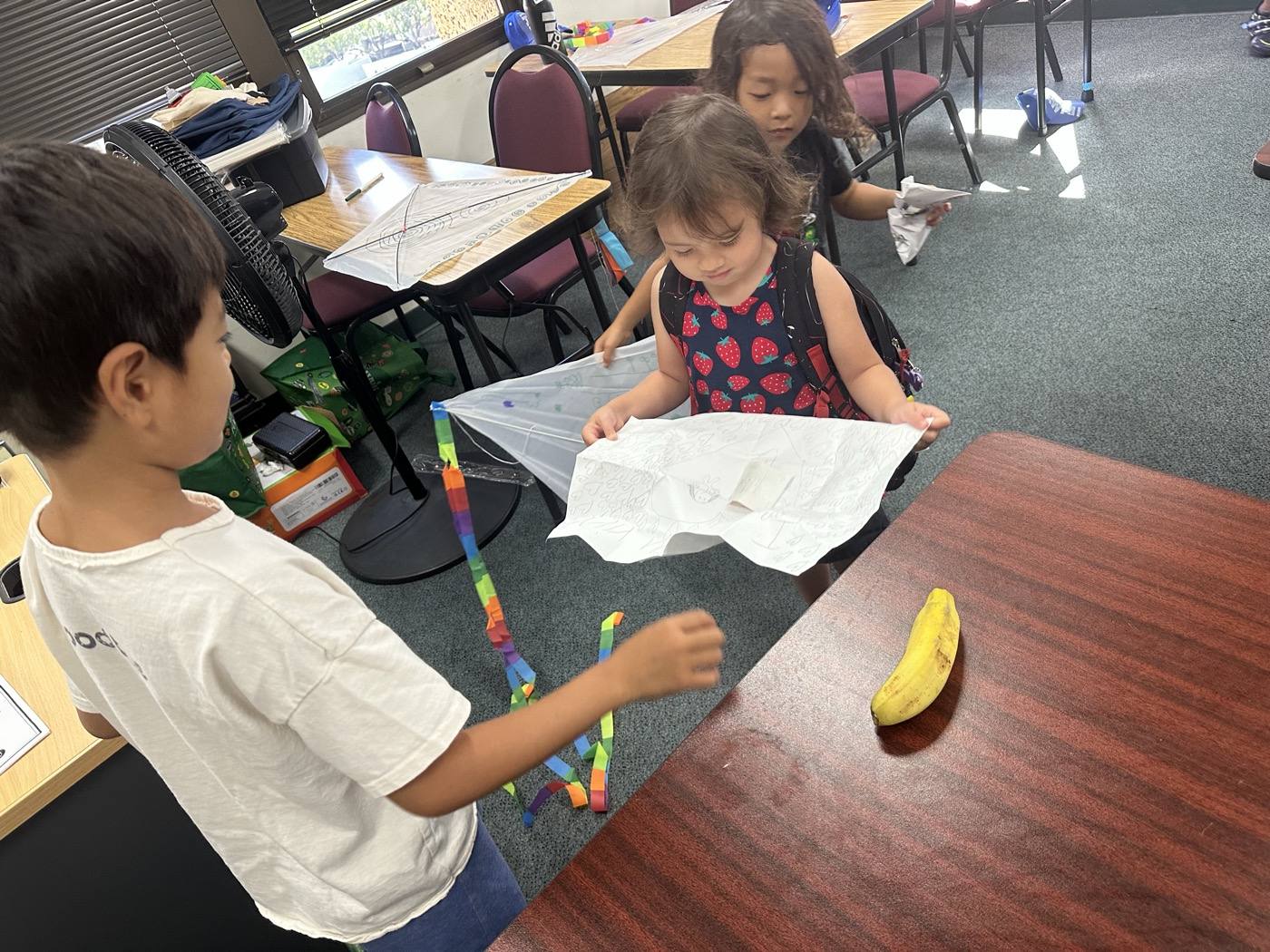
In Summer 2025, the kids made kites in the classroom and flew them in a wide-open field. When a kite caught the wind and soared high, everyone was thrilled.
Afternoon by the sea, then a wrap-up in the classroom
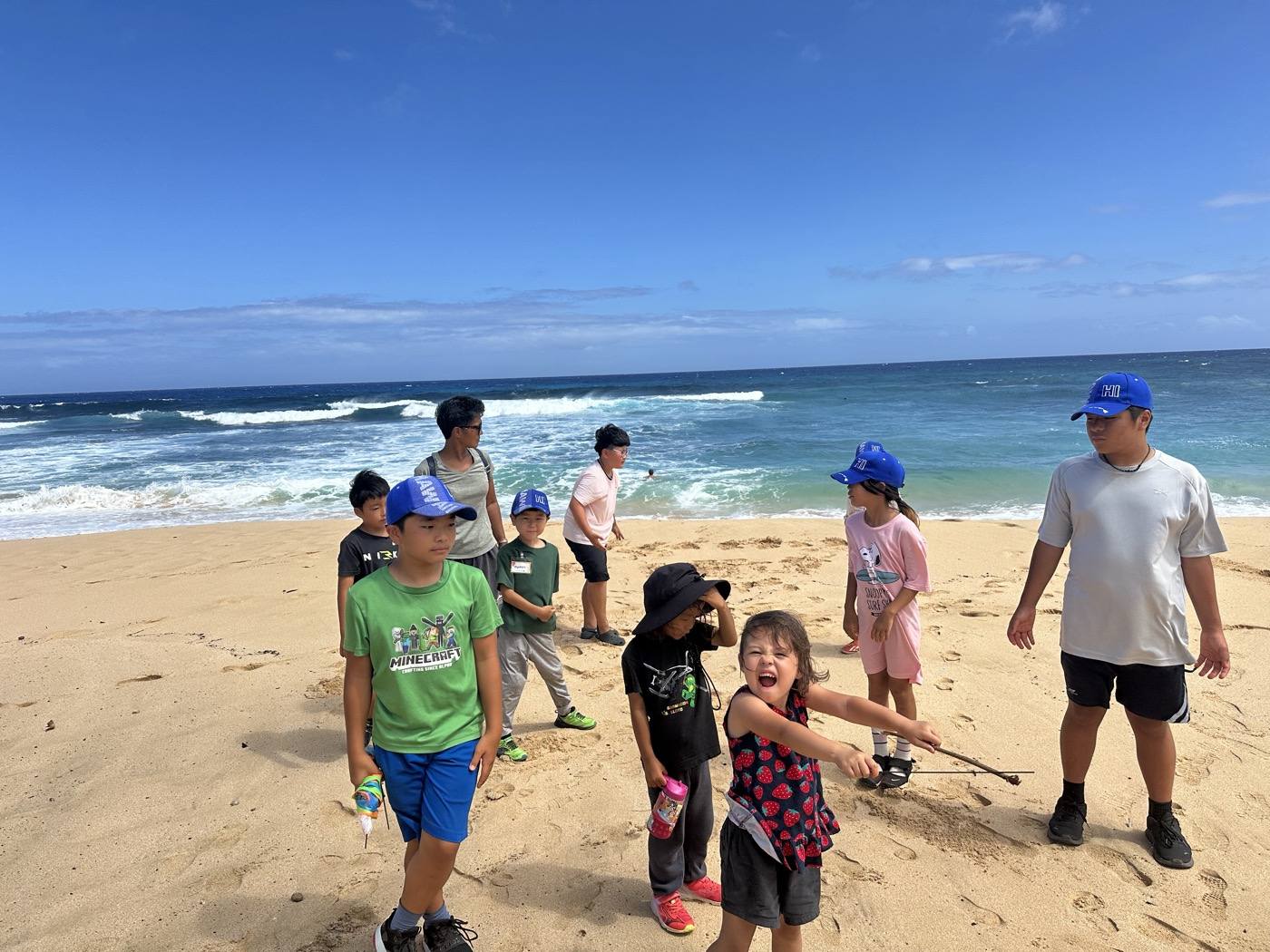
In Summer 2026, after the botanical garden, the kids played on a nearby beach and in a field at the foot of Koko Head. Kids head to the classroom for about the last hour, where they look back on the plants they saw by talking about them in English and writing in their journals. Junior students go back to school for level-based English classes and a group lesson just for camp students.
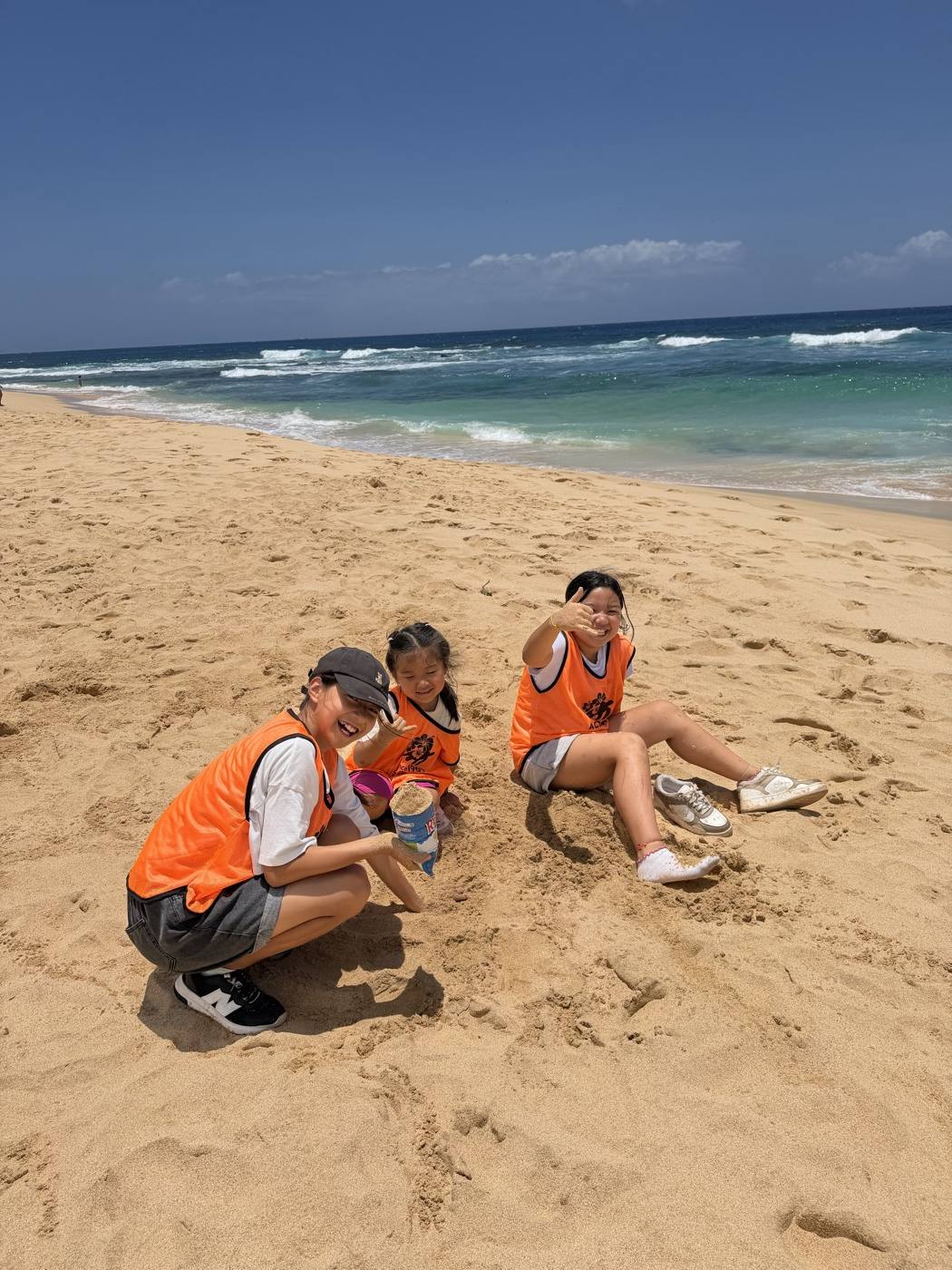
Let’s try saying it in English on the day
Photos
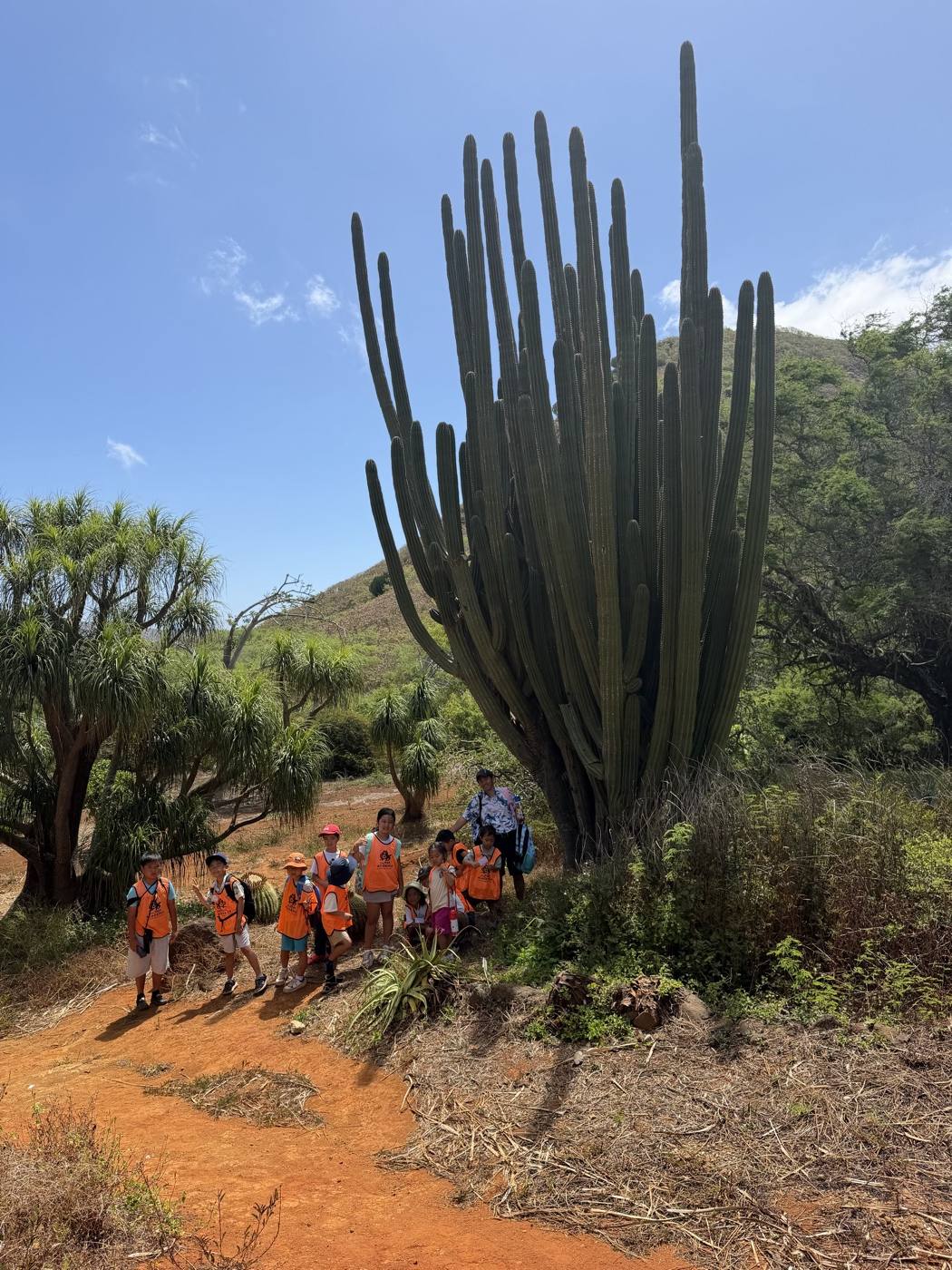
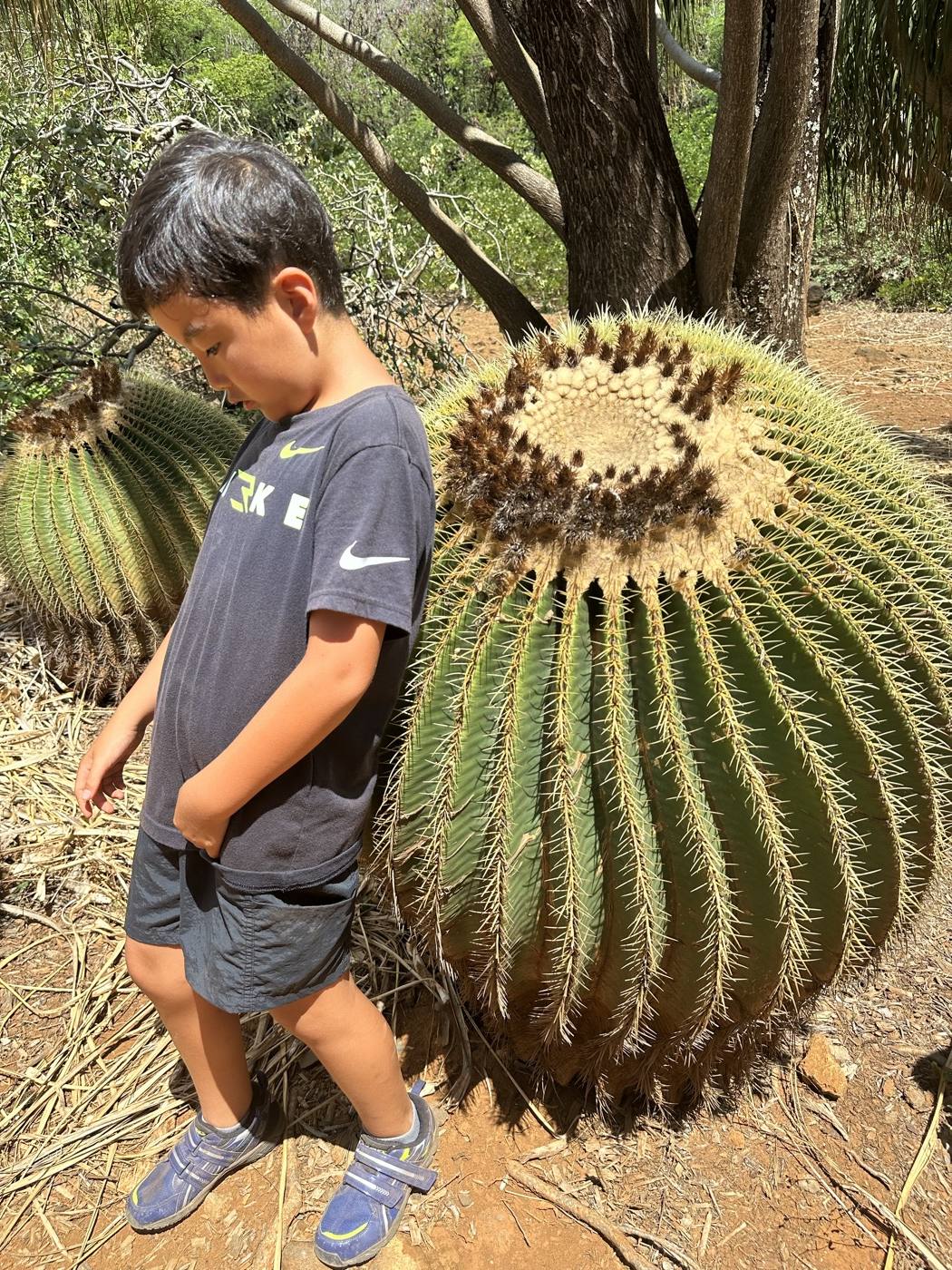
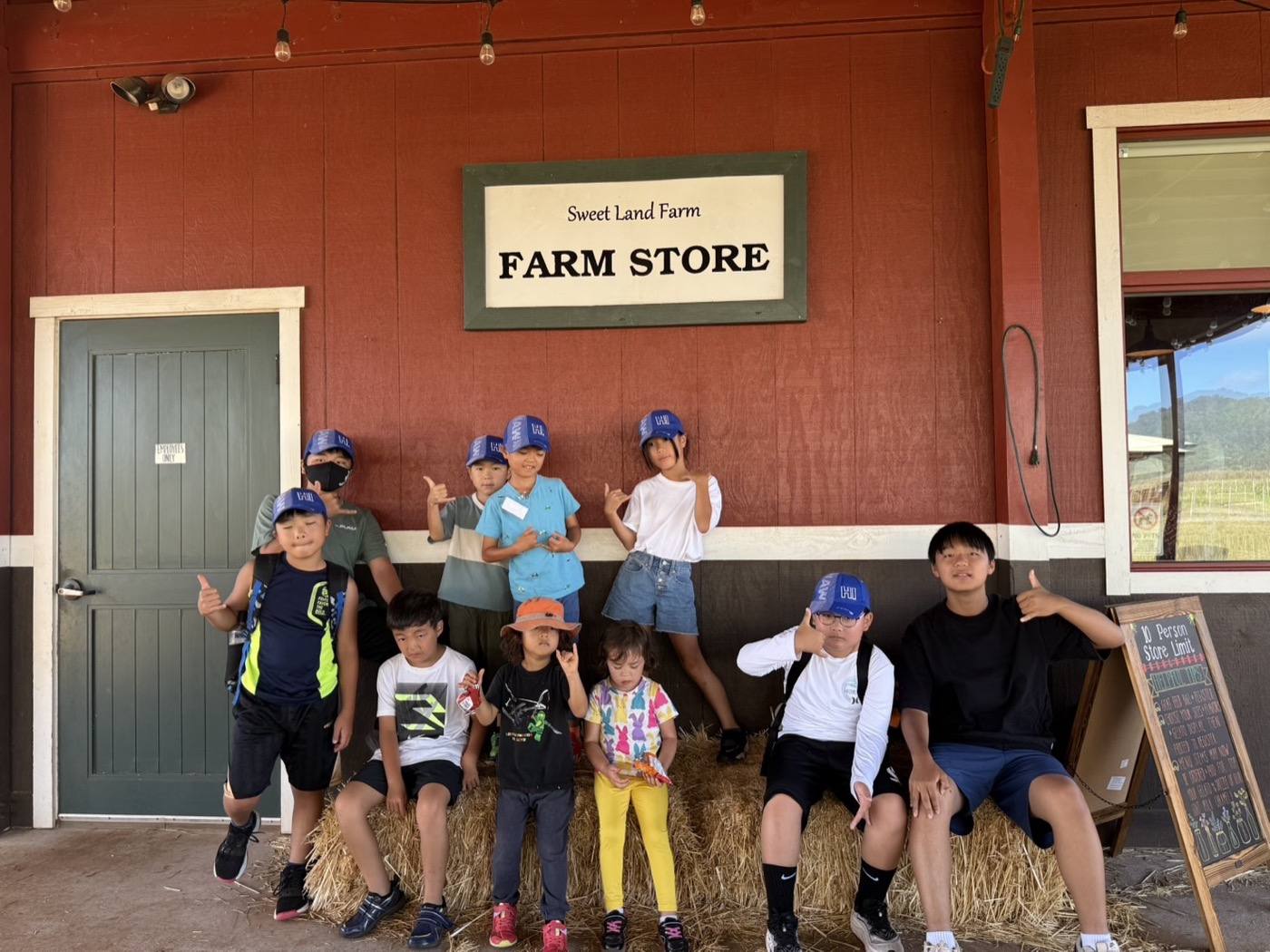
Taken at Aloha Camp in Summer 2025, Spring 2026, and Summer 2026
For kids, for parents
For kids
Cacti taller than you, cacti that are perfectly round. Plants you’d never see in a textbook, right in front of you. The moment your own kite rises into the sky is one you won’t forget.
For parents
How do dryland plants store water to survive? A half day of learning by looking, comparing, and talking in English.
- Cacti have spines. Teachers stay close by and remind the kids not to touch them.
- With little shade, we drink water often and take breaks.
- Destinations and activities may change depending on the weather.
Seasons with this activity
We visited in Summer 2025
August 7, 2025
We visited twice in Summer 2026
Week 2 (July 30) and Week 4 (August 14)
We’ll announce spring and summer destinations as soon as they’re set
The spring session runs March 22 – April 2, and the summer session runs July 19 – August 20.
Videos
Other activities
Join Aloha Camp
A program in Hawaiʻi where kids ages 6 to 18 learn English during spring break (March) and summer break (July–August). Mornings are field trips, and afternoons are age-appropriate activities and English classes, so kids learn English while having fun.